AI Volleyball Video Analysis & Training Platform for Individual Players

SpikeScience is the AI volleyball video analysis platform that builds a personalized volleyball training program from your phone video. Upload a clip and get a complete computer-vision biomechanics report with PRISM score, joint angle tracking, kinematic sequence analysis, arm swing mechanics, jump height measurement, landing mechanics screening, and injury risk assessment — then receive a position-specific training program with workout calendar. The SpikeScience volleyball platform works for individual players — no team or coach required.

How the SpikeScience Volleyball Platform Compares to Other Volleyball Apps

Looking for a new volleyball program? Searching for a Hudl alternative, Balltime alternative, Veo alternative, SmashVision alternative, or SportsVisio alternative? SpikeScience is the only volleyball platform that provides AI biomechanics analysis from phone video and builds a personalized volleyball program from your data. SpikeScience vs Hudl, SpikeScience vs Balltime, SpikeScience vs Veo, SpikeScience vs SmashVision, SpikeScience vs SportsVisio, SpikeScience vs VolleyMetrics.

Volleyball Training Resources

SpikeScience covers every aspect of volleyball training with evidence-based, AI-powered analysis and programming:

AI Video Analysis & Biomechanics

AI volleyball video analysis from your phone. Biomechanics lab for joint angle measurement. Kinematic sequence analysis for power transfer. Volleyball biomechanics analysis from video. Squat analysis for ACL screening. Depth jump analysis for reactive strength. Thoracic rotation mobility assessment for hitting power.

Volleyball Training Programs

Training hub with personalized programs. Volleyball training programs for all levels. Workout calendar with periodized scheduling. Offseason training. Volleyball training at home.

Strength, Power & Conditioning

Volleyball strength training. Vertical jump training. Speed training. Performance training. Volleyball exercises.

Position-Specific Training

Outside hitter training. Middle blocker training. Setter training. Libero training. Opposite hitter training. Defensive specialist training. Position breakdown and comparison. Position-specific drills.

Skill Development & Coaching

Skill lab for serve, pass, set, attack, block, and defense. Volleyball instruction with coaching cues. Speed and movement training. AI volleyball video analysis for technique correction.

Recruiting & Rankings

College recruiting profile builder. Player rankings with PRISM scores. Volleyball colleges by location. Stats calculator. PR tracker for personal records.

Recovery, Nutrition & Injury Prevention

Recovery strategies. Nutrition for volleyball. Injury prevention through movement screening. Readiness check-in for training load management.

Volleyball Community & Resources

Volleyball glossary with 100+ terms. Volleyball performance research blog. Training drills. FAQ. Compare volleyball apps. AI volleyball training overview.

Private Training by Location

Private volleyball training. Atlanta, Austin, Chicago, Dallas, Denver, Houston, Los Angeles, Miami, Nashville, Phoenix, Seattle, and Omaha volleyball training.

Frequently Asked Questions

How do I improve my vertical jump for volleyball?

SpikeScience analyzes your jump mechanics from phone video — approach timing, penultimate step depth, arm load timing, and hip hinge angle — then prescribes a plyometric and strength program targeting your specific weaknesses. Most athletes see 2-4 inch gains in 8-12 weeks.

Can SpikeScience detect ACL injury risk from my volleyball video?

Yes. SpikeScience screens landing video for the four high-risk patterns that predict ACL injuries: knee valgus, stiff-knee landing, lateral trunk lean, and asymmetric contact. It then prescribes neuromuscular training that reduces ACL injury risk by 50-75%.

How do I train volleyball without a coach or team?

SpikeScience is the volleyball platform built for individual players. Upload your own video, get your own biomechanics report, and follow your own AI volleyball program. Your training history stays with you across team changes. No coach, team, or special equipment required — just a smartphone. It is the only volleyball platform that delivers AI volleyball instruction without a team or club.

What is the PRISM score?

The PRISM score is a composite metric across 7 biomechanical dimensions: power, rotational mechanics, approach timing, jump mechanics, arm swing efficiency, landing quality, and movement symmetry. It gives you an objective measure of movement quality and tracks improvement over time.

How much does SpikeScience cost?

SpikeScience Pro is $19.99 per month after a free 30-day trial with full access to all features. No per-analysis fees, no team license required. Cancel anytime. Payments processed securely by Stripe.

Start Free Trial Sign In
33Joints
60sReports
6Positions
30-DayFree
FeaturesHow It WorksPositionsPricingBlogDrills
Why Athletes Choose Us
Science-Backed
60s Reports
All Positions
30-Day Free Trial
Get Started Free
Built for the Individual Player

Your mechanics, measured. Your ceiling, raised.

Upload any clip of your game and get a pro-grade biomechanics report — 33 joints tracked, 7 dimensions scored, and a training plan built around your position, your gaps, and your next level.

AI Movement Assessments
Volleyball Position Analysis
7-Dimension PRISM Score
ACL Injury Risk Screening
Personalized Training Program
Adaptive Workout Calendar
Works Without a Team
$19.99/mo vs Enterprise Pricing
30 days free · then $19.99/mo · cancel anytime33 joints tracked per analysis
33 Body Joints Tracked Frame-by-Frame Analysis 60-Second Reports All 6 Volleyball Positions Injury Risk Scoring Kinematic Chain Intelligence Personalized Coaching Cues No Lab Equipment Required Multi-Player Tracking Jump Height & Power Analysis Cross-Engine Analytics Position-Specific Training Plans 33 Body Joints Tracked Frame-by-Frame Analysis 60-Second Reports All 6 Volleyball Positions Injury Risk Scoring Kinematic Chain Intelligence Personalized Coaching Cues No Lab Equipment Required Multi-Player Tracking Jump Height & Power Analysis Cross-Engine Analytics Position-Specific Training Plans
Training Hub

Your Entire Training Program, In One Hub

Every member gets a personalized training hub — daily plans, guided exercise videos, streaks, a full calendar, and progress tracking. All in one place.

Today
Streaks
My Program
Schedule
Calendar
Progress
History
Insights
Deficiencies
Settings
Explore the Training Hub
For Athletes

Built Around What Actually Matters to You

Real improvement, real fast. SpikeScience is designed for athletes who want to level up on their timeline.

Swipe cards to explore each position
POWER ATTACKER
#12
Emma R.
Outside Hitter

Jump Higher. Hit Harder.

See exactly which links in your kinematic chain are robbing you of power and get targeted drills to fix them.

Jump Height0.0in
Arm Velocity0mph
Approach Speed0.0m/s
VPI Score
87pts
▲+3.2
SpikeScience
MIDDLE BLOCKER
#7
Marcus T.
Middle Blocker

Stand Out in Recruiting

Bring real numbers to every recruiting conversation — arm velocity, jump height, kinetic chain efficiency.

Block Reach0.0ft
Quick Attack Eff0%
Hip-Shoulder Sep0°
Recruit Score
93pts
▲+5.1
SpikeScience
SETTER IQ
#3
Sofia K.
Setter

Understand Your Own Body

Know exactly what your mechanics look like from the outside. See it frame by frame and fix it with purpose.

Hand Contact Score0pts
Release Variance0.0cm
Decision Speed0.00s
Technique Score
91pts
▲+2.8
SpikeScience
FLOOR DEFENDER
#1
Jade M.
Libero

Stay on the Court All Season

Catch dangerous movement patterns before they become injuries. ACL risk and shoulder loading flagged every session.

ACL Risk Index0%
Platform Angle0°
Landing Symmetry0%
Injury Risk
12pts
▼-8.4
SpikeScience
POWER OPPOSITE
#17
Aiden P.
Opposite

Stand Out From the Competition

Customized strength, plyometric, mobility, speed and recovery workout plans tailored to your position.

Strength Index0pts
Plyometric Load0AU
Recovery Score0%
Readiness
84pts
▲+6.0
SpikeScience
DECISION MAKER
#22
Riley C.
Defensive Spec.

Record Yourself. Get Pro Analysis.

Point any phone at your next practice. Upload the clip and get a complete biomechanics report in 60 seconds.

First Step Speed0.00s
Dig Success Rate0%
Anticipation Score0pts
Analysis Score
89pts
▲+4.3
SpikeScience
Video Analysis

Record It. Upload It.
See Everything.

33 Joints60s ReportsAny PhoneNo Lab

Our system reads every frame of your video — tracking 33 body joints simultaneously to measure joint angles, sequencing timing, and kinetic chain efficiency. The entire analysis runs in under 60 seconds.
Joint angle measurement across 33 body landmarks
Kinematic sequence timing from hip to wrist
Injury risk flags at every landing
Personalized improvement cues matched to your mechanics
Analyze My Video
STEP 01Upload Your Video

MP4, MOV, or WebM from any phone or camera. Drag-and-drop. No special setup.

STEP 02Every Frame Is Read

Our system tracks every rep, every player, every moment — automatically.

STEP 03Biomechanics Computed

Joint angles, sequencing, kinetic chain efficiency, and injury risk calculated.

STEP 04Report Delivered in 60s

Overlays, personalized improvement cues, injury flags, and a training plan — saved to your profile.

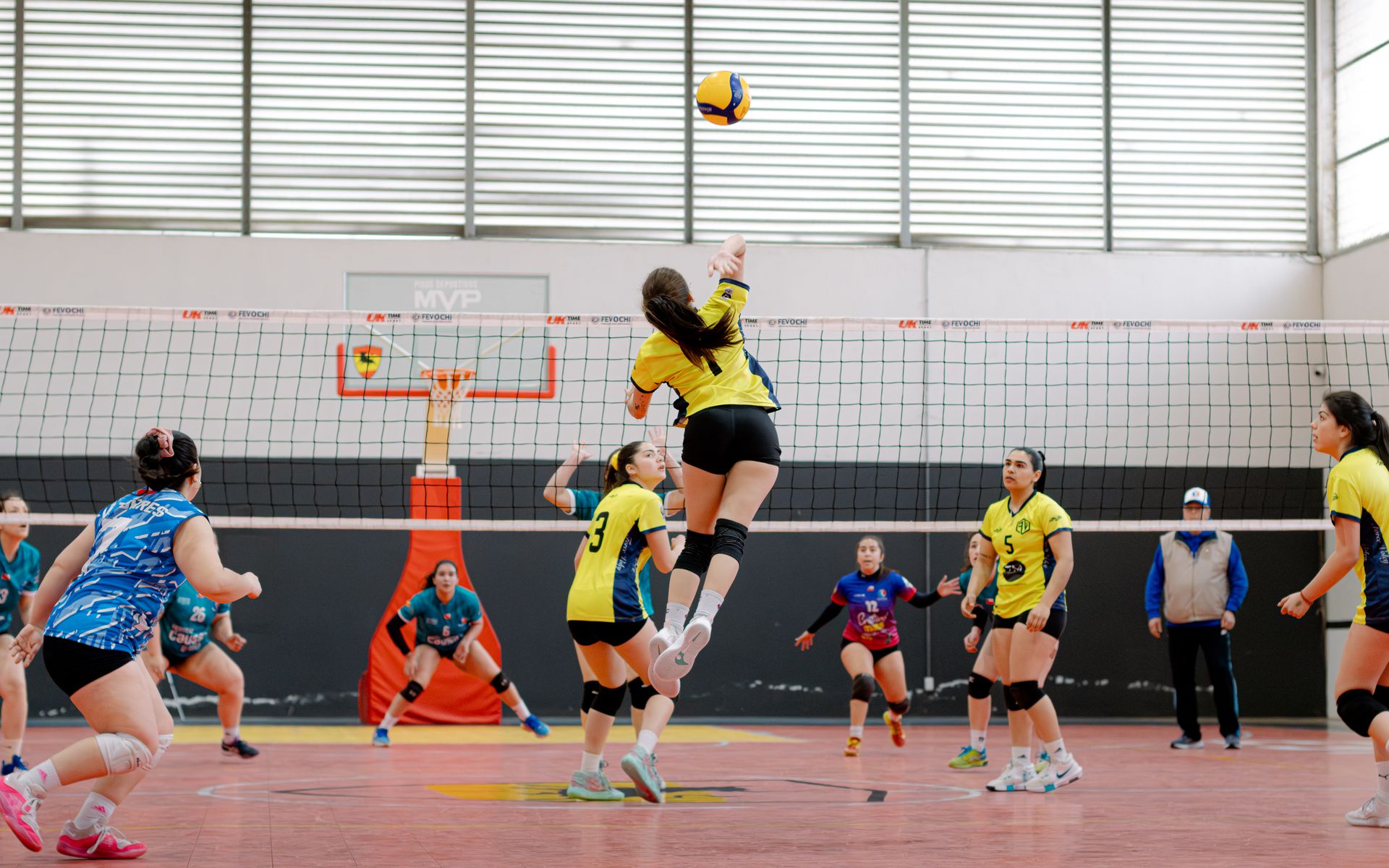
Volleyball player jumping for a spike
The Science of the Spike

Every inch of jump height is engineered.

33 joints. 300 milliseconds. One motion that decides whether you fly or fall short.

Kinematic Sequence

Where Jump Height and Power Come From

Elite athletes don't just jump harder — they sequence better. Every millisecond of delay between segments costs you inches of height and meters per second of arm velocity.

Spike Arm Swing — Power Transfer Sequence
Load transfer
Foot Contact
Ground base
Power start
Hip Rotation
~180°/s
Energy store
Trunk Extension
Core coil
Whip load
Shoulder Rotation
+8 m/s
Arm lag
Elbow Extension
Peak accel
Final add
Wrist Snap
+3 m/s
All summed
Ball Contact
Result
Swipe to see full arm swing chain

A breakdown at any link bleeds power and increases injury risk. SpikeScience identifies exactly where your chain breaks down and how much velocity you're leaving on the table.
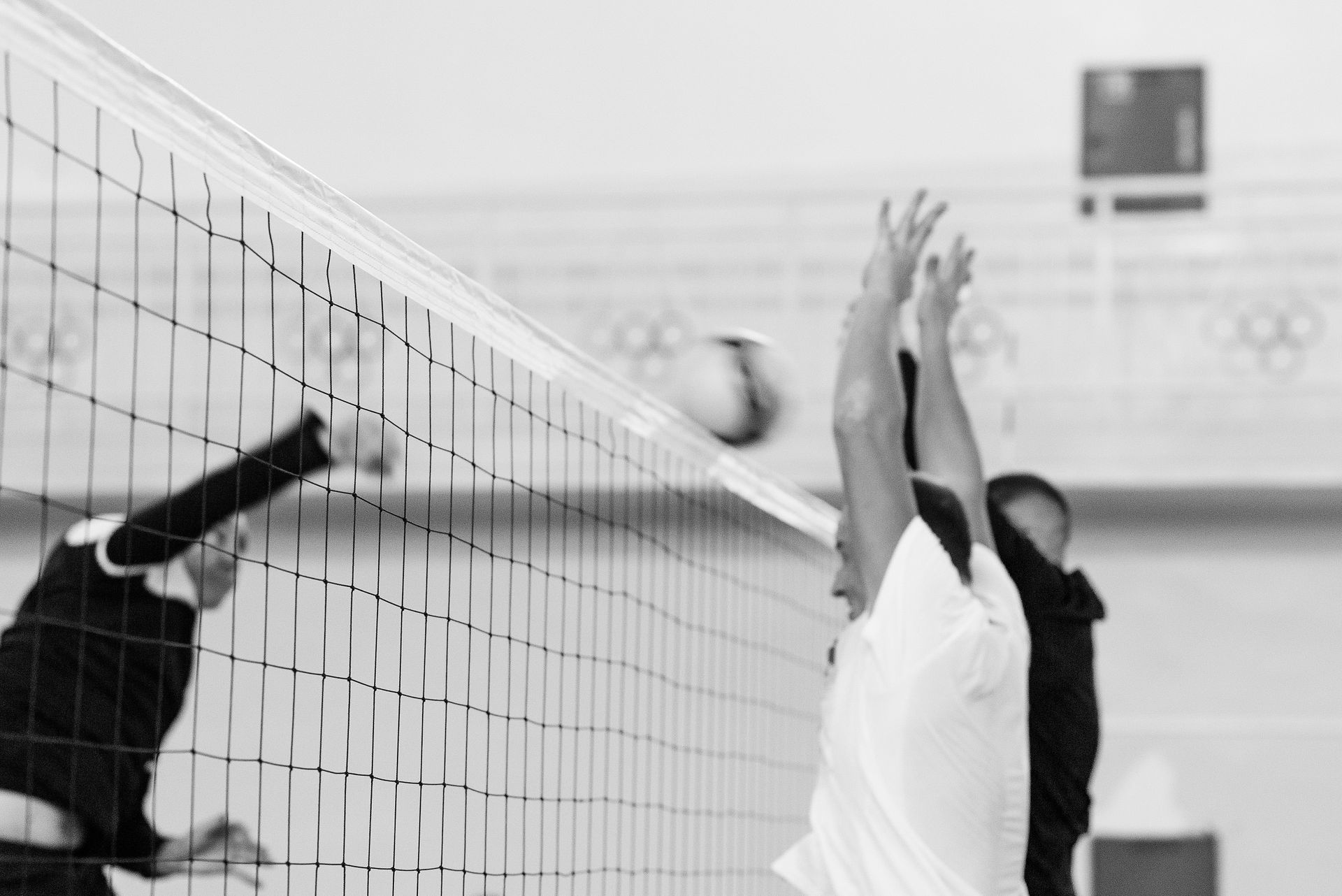
Volleyball players blocking at the net
Built Around You

No two athletes train the same way.

Your position, your age, your mechanics. A program engineered for the gaps only your video can reveal.

33
Joints
Tracked per frame
300ms
Window
Full arm swing captured
60s
Turnaround
Report delivery time
6
Positions
All playing positions covered
Weekly Challenge

Compete Nationally. Share Your Result.

Every week, a new training challenge. Submit your score, climb the live leaderboard, and share a branded result card to social media. Free for all members.

Live Leaderboard
See where you rank against players nationwide in real time as entries come in.
Shareable Result Cards
Generate a branded card with your rank and score. Post to Instagram, X, or TikTok in one tap.
New Challenge Every Week
Jump height, arm speed, agility drills — a fresh competition drops every Monday to keep you coming back.
Join This Week's Challenge
Live Leaderboard

See Where You Rank Nationally

Every analysis uploads your PRISM score to the national leaderboard. Climb the ranks, compare your metrics, and share your standing.

Pricing

One Plan. Full Access.

No tiers. No feature gating. When you subscribe, you get everything.

MEMBERSHIP
30 DAYS FREE
$19.99/ month

30-day free trial · Then $19.99/mo · Cancel anytime

Unlimited video uploads & analysis sessions
Frame-by-frame biomechanics across 33 body joints
Full kinematic chain scoring & power flow visualization
ACL risk, joint collapse & injury prevention alerts
All 6 volleyball positions fully supported
Personalized workout prescriptions from your mechanics
Plyometrics, mobility & kinetic chain training programs
Session history, trend tracking & long-term development arc
Personalized improvement cues tied to your specific movement patterns
Start Free 30-Day Trial

Full access from day one · Cancel anytime

30-day free trial
All 6 volleyball positions 500+ training exercises
Secure Checkout
Cancel Anytime
Athletes & Coaches
What You Get

Built for serious volleyball players

Everything you need to train smarter, track progress, and get recruited — all from your phone.

Biomechanics Analysis

Upload a phone video and get joint angles, approach speed, arm swing velocity, and a PRISM score comparing you to elite benchmarks.

33 joints tracked

Personalized Training

AI builds a workout program from your analysis results, targeting your exact deficiencies with progressive overload.

500+ exercises

Injury Risk Detection

ACL risk screening, knee valgus flags, and shoulder health alerts catch problems before they become injuries.

7 risk dimensions

Progress Tracking

Every upload updates your metrics. Watch your jump height, arm speed, and technique score improve over time.

Trend history

Recruiting Profile

Build a verified athletic profile with biomechanics data and PRISM scores you can share with college coaches.

All divisions

Workout Calendar

Monthly periodized calendar with auto-scheduling, deload weeks, and adaptation as your PRISM score improves.

Auto-scheduled
Free Newsletter

Get one evidence-based volleyball article per week

Biomechanics, injury prevention, and performance research — delivered straight to your inbox. No spam, ever. Unsubscribe anytime.

Evidence-based volleyball research, delivered weekly

AI Volleyball Training Platform for Individual Players

What Is SpikeScience?

SpikeScience is an AI volleyball training app that uses computer-vision biomechanics analysis to build personalized volleyball programs from phone video. Upload a 10-30 second clip of your spike, serve, or jump, and the AI maps your joint angles, kinematic sequence, jump height, and arm swing mechanics — then generates a position-specific training program with a monthly workout calendar. Unlike Hudl, Balltime, or Veo, which focus on team film review and match statistics, SpikeScience is built for the individual player. No team, coach, or club membership is required. A 2024 survey of 68 Division I college coaches found that approach jump height is the number-one metric in prospect evaluation, and SpikeScience provides objective, timestamped measurements that athletes can share directly with recruiters.

How AI Biomechanics Analysis Works

The SpikeScience volleyball biomechanics engine uses pose estimation and computer vision to track 33 body landmarks across each frame of your video. It measures approach footwork timing, arm swing efficiency, jump height, ground contact time, hip-shoulder separation, and landing mechanics — comparing every metric against position-specific elite benchmarks. The result is your PRISM score, a composite rating across seven performance dimensions: Power, Reactive Strength, Impact, Symmetry, Mechanics, Mobility, and Consistency. Research published in the British Journal of Sports Medicine shows that neuromuscular training programs like the ones SpikeScience prescribes can reduce ACL injury rates by 50-75% in high-risk female athletes — a population that faces 6-8x higher ACL injury risk in volleyball compared to male players.

Personalized Volleyball Training Programs

Every SpikeScience training program is generated from your biomechanics data — not a generic template. The AI identifies your specific movement deficiencies and prescribes exercises from a library of over 500 volleyball-specific drills, strength movements, plyometrics, and mobility protocols. Programs are organized into a monthly workout calendar that tells you exactly what to train each day, tracks completed sessions, and adapts as your PRISM score improves. Whether you need vertical jump training, arm swing power development, defensive footwork, or landing mechanics correction, the program targets your weakest biomechanical dimensions with progressive overload. A study in the Journal of Strength and Conditioning Research found that individualized, biomechanics-driven training programs produced 23% greater performance gains than generic sport conditioning over a 12-week period.

Position-Specific Volleyball Instruction

SpikeScience delivers AI volleyball instruction tailored to all six volleyball positions. Outside hitters get approach timing and arm swing efficiency drills. Middle blockers work on quick-set footwork and blocking decision-making. Setters receive hand-position and release mechanics analysis. Liberos and defensive specialists get floor defense movement patterns and reactive agility training. Opposite hitters focus on right-side attack mechanics and transition footwork. Each position has dedicated benchmarks, exercise prescriptions, and PRISM score comparisons against elite-level athletes in that role. The platform also includes a volleyball stats calculator, PR tracker, player rankings with PRISM leaderboards, and a recruiting profile builder with verified performance metrics shareable with college coaches.

Volleyball Injury Risk Screening

SpikeScience screens every video for four high-risk landing patterns associated with ACL injury: knee valgus (inward knee collapse), stiff-knee landing (less than 30 degrees of knee flexion at contact), lateral trunk lean, and asymmetric bilateral landing. Female volleyball players face 6-8x higher ACL injury rates than male players, and research from the NCAA Injury Surveillance System shows that neuromuscular training programs reduce non-contact ACL injuries by 50-75%. When the AI detects a high-risk pattern, it automatically prescribes corrective exercises — including plyometric landing drills, glute medius activation, and single-leg stability work — directly into your training program.

Explore SpikeScience

Volleyball Biomechanics LabAI Video AnalysisTraining ProgramsVertical Jump TrainingStrength TrainingSpeed TrainingDrills LibraryPosition BreakdownStats CalculatorPlayer RankingsRecruiting ProfileVolleyball GlossaryVolleyball Research BlogFAQCompare Volleyball Apps

Training by Position

Outside HitterMiddle BlockerSetterLiberoOpposite HitterDefensive Specialist