

Volleyball Position Training Guide: How SpikeScience Tailors Programs for Every Position
An outside hitter and a libero have fundamentally different athletic demands. SpikeScience trains them differently. Here is how.
Volleyball has six distinct positions, and each one demands a different athletic profile. An outside hitter needs explosive approach jump power and arm swing velocity. A libero needs reactive agility and first step quickness. A setter needs hand contact precision and footwork efficiency. Training every position the same way ignores these differences. SpikeScience applies position specific benchmarks, exercise selection, and progression logic to every program it builds. Here is what that looks like for each position.
Setter
The setter is the offensive engine. The position demands quick footwork to reach the pass, efficient hand contact mechanics, and the ability to deliver consistent ball placement under pressure. SpikeScience analyzes setter footage for hand contact timing, wrist angle at release, and footwork efficiency to the ball. The training program targets hand contact mechanics, wrist flexibility and strength, footwork speed, and core stability for delivery balance.
Outside Hitter
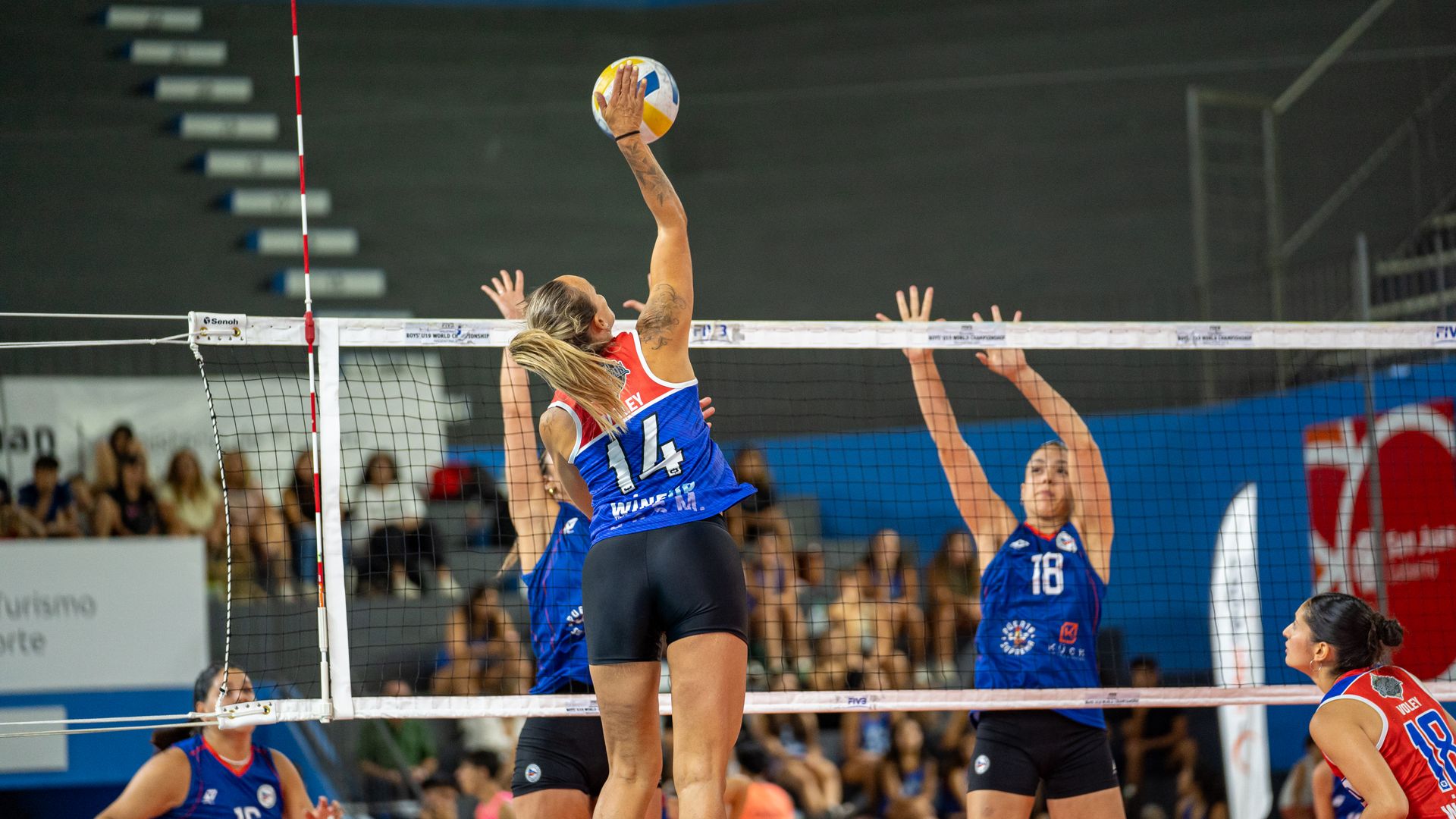
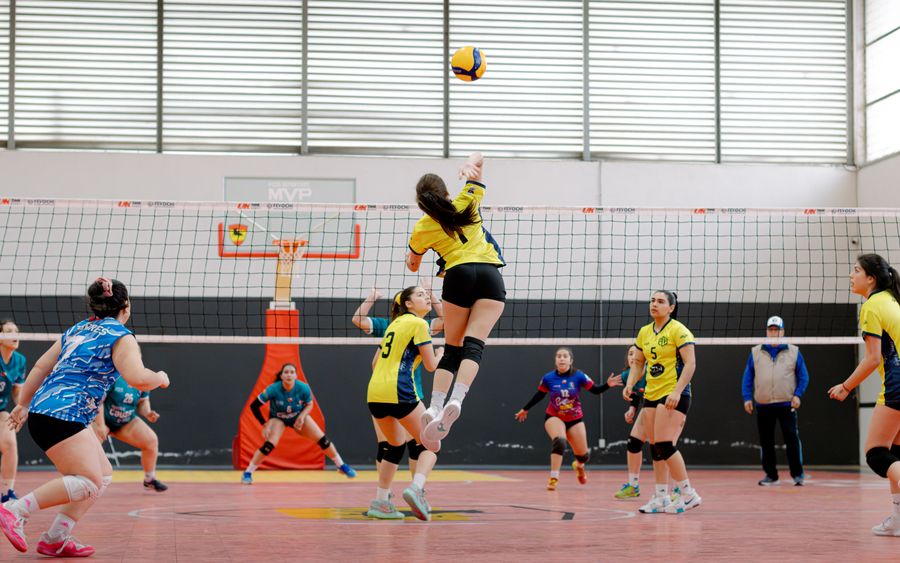
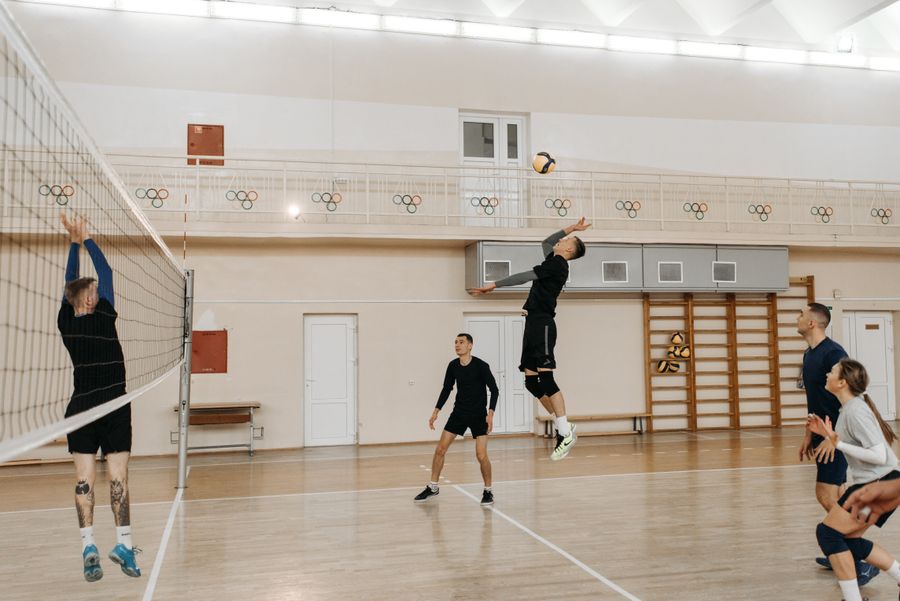
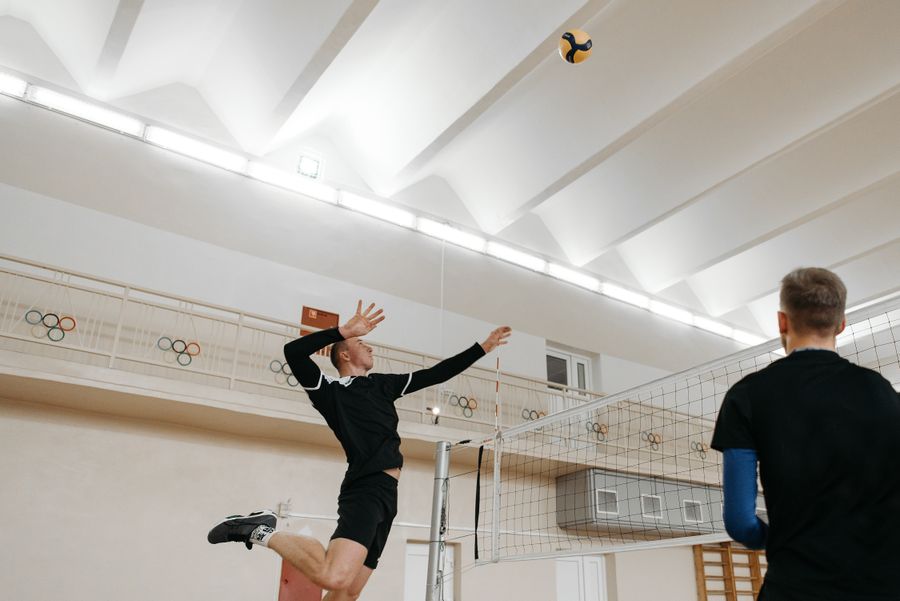
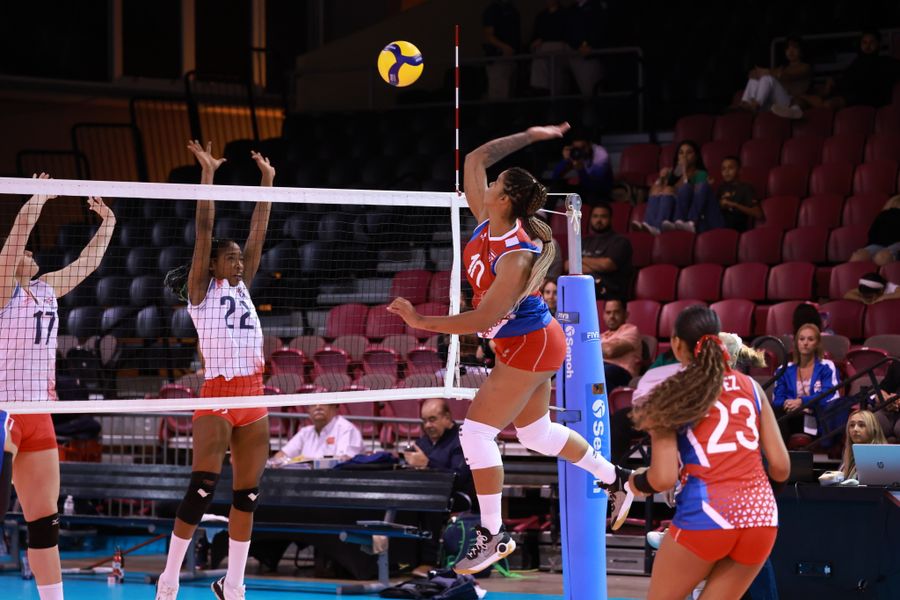
The outside hitter is the primary attacker. The position demands approach jump height, arm swing velocity, hip to shoulder separation for rotational power, and approach timing consistency. SpikeScience analyzes outside hitter footage for the full kinematic chain sequence, penultimate step mechanics, arm swing path, and landing quality. The training program targets rotational power, approach jump mechanics, arm swing efficiency, and landing mechanics for injury prevention.
Middle Blocker
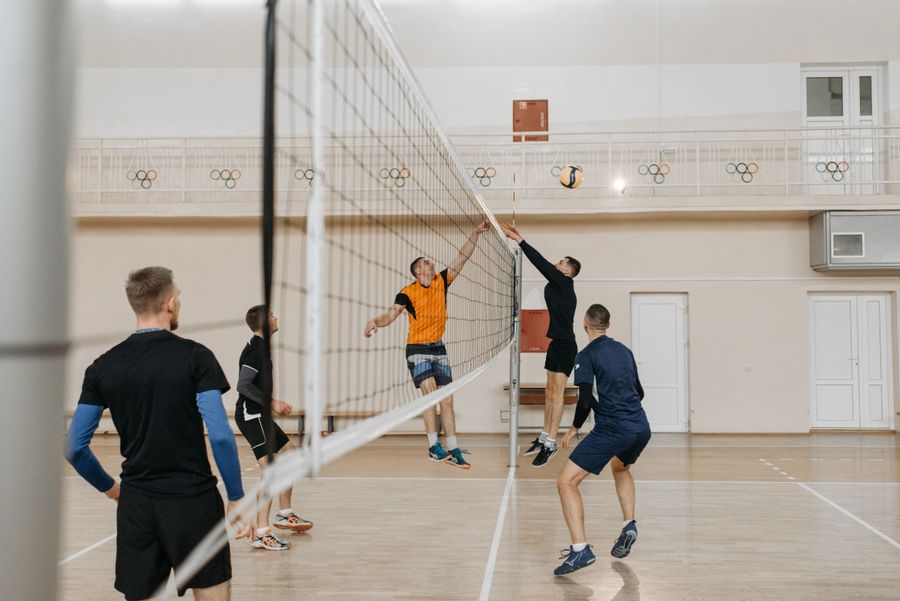
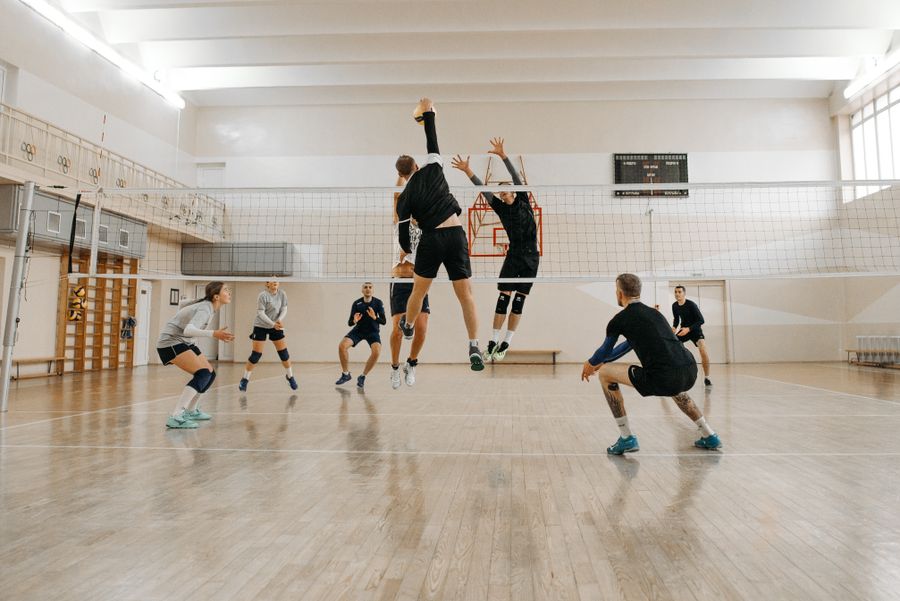
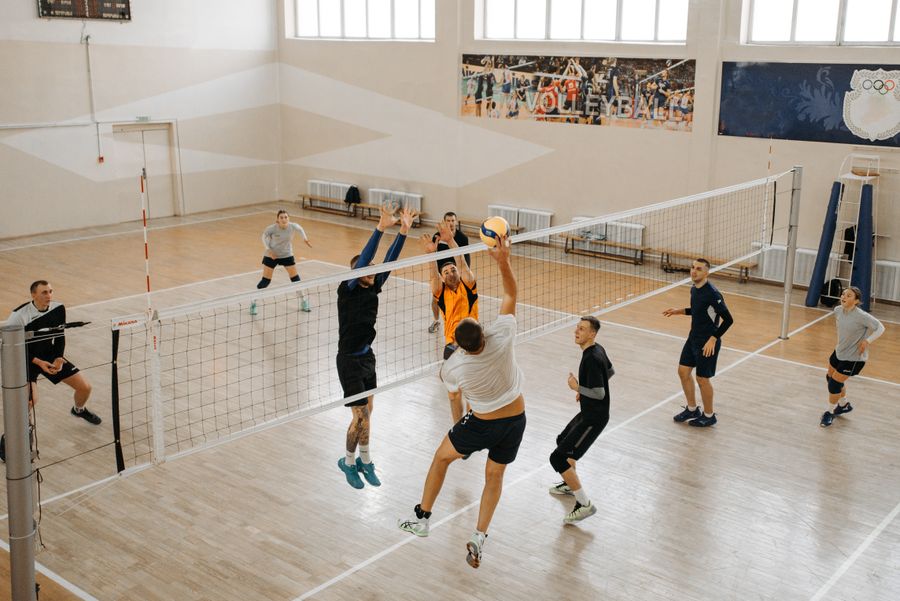
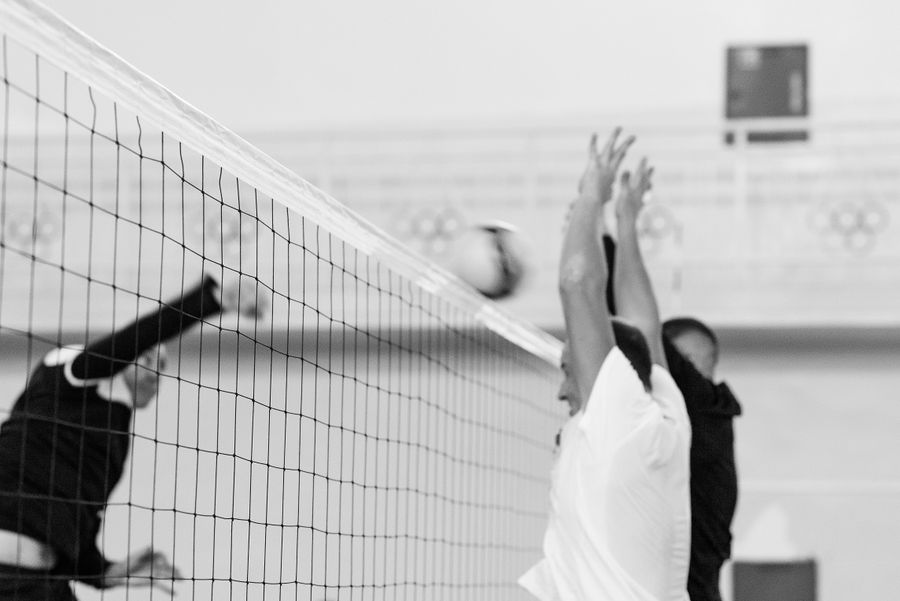
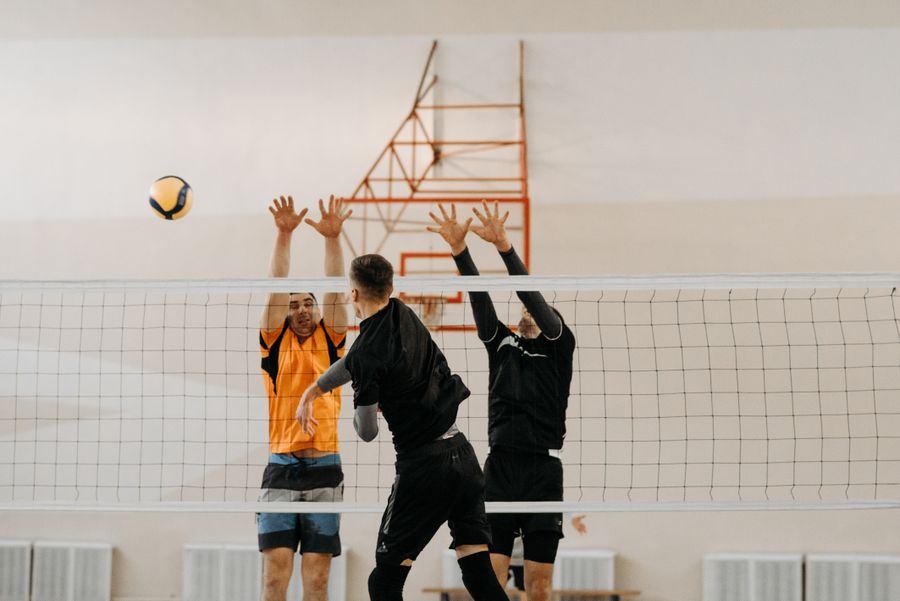
The middle blocker needs explosive lateral movement to close the block, vertical jump height for blocking, and quick decision timing to read the setter. SpikeScience analyzes middle blocker footage for lateral movement speed, jump mechanics at the net, and blocking decision timing. The training program targets lateral explosiveness, vertical jump power, blocking reaction drills, and shoulder strength for block stability.
Opposite
The opposite hitter attacks from the right side and often serves as the backup blocker. The position demands rotational power from a different angle than the outside hitter, approach jump mechanics adapted to the right side, and serve velocity. SpikeScience analyzes opposite footage for counter rotational mechanics, arm swing path from the right side, and serve mechanics. The training program targets counter rotational power, approach jump mechanics, arm swing efficiency, and serve velocity development.
Libero
The libero is the defensive specialist. The position demands reactive agility, first step quickness, passing precision, and the ability to read the attacker. SpikeScience analyzes libero footage for first step explosiveness, passing platform stability, and reactive movement patterns. The training program targets reactive agility, first step quickness, hip mobility for low level movement, and core stability for passing balance.
Defensive Specialist
The defensive specialist shares many demands with the libero but often plays in different rotations and situations. The position demands serve receive consistency, defensive reading ability, and quick transitions. SpikeScience analyzes defensive specialist footage for passing platform mechanics, movement efficiency to the ball, and reactive agility. The training program targets passing precision, reactive movement, hip mobility, and transition speed.
How the Platform Applies It
When you upload a video, you select your position. The platform applies position specific benchmarks to your analysis, selects exercises from a library tagged by position benefit, and builds your program with progression logic tailored to your position. A setter does not get approach jump depth drops. A libero does not get arm swing velocity work. An outside hitter does not get hand contact mechanics drills. Each program is built for the position you play.
Why This Matters
Most volleyball training resources give the same workout to every player. A setter and an outside hitter following the same program will both get somewhat fitter, but neither will improve at the specific demands of their position. SpikeScience fixes this by making position specificity a core part of the analysis and program generation, not an afterthought. The result is that your training time produces improvements you can actually feel on the court in the position you actually play.
[1] SpikeScience. "Position Breakdown." spikescience.com/position-breakdown
[2] SpikeScience. "Setter Mechanics." spikescience.com/setter
[3] SpikeScience. "Outside Hitter Training." spikescience.com/outside-hitter
[4] SpikeScience. "Libero Training." spikescience.com/libero