The Penultimate Step: How Outside Hitters Build Elite Approach Power
A breakdown of the lower body mechanics that turn a simple approach into a vertical weapon
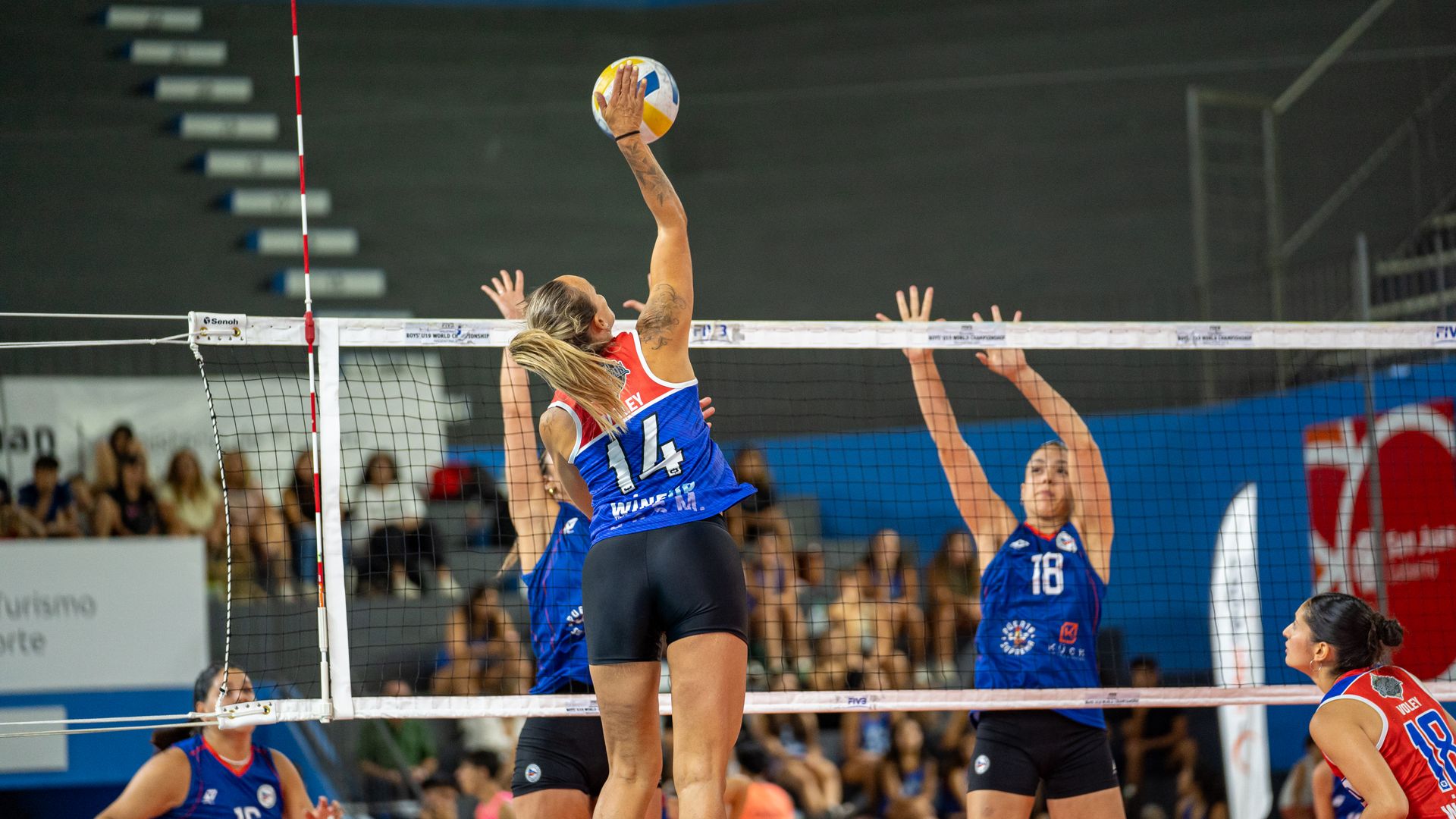
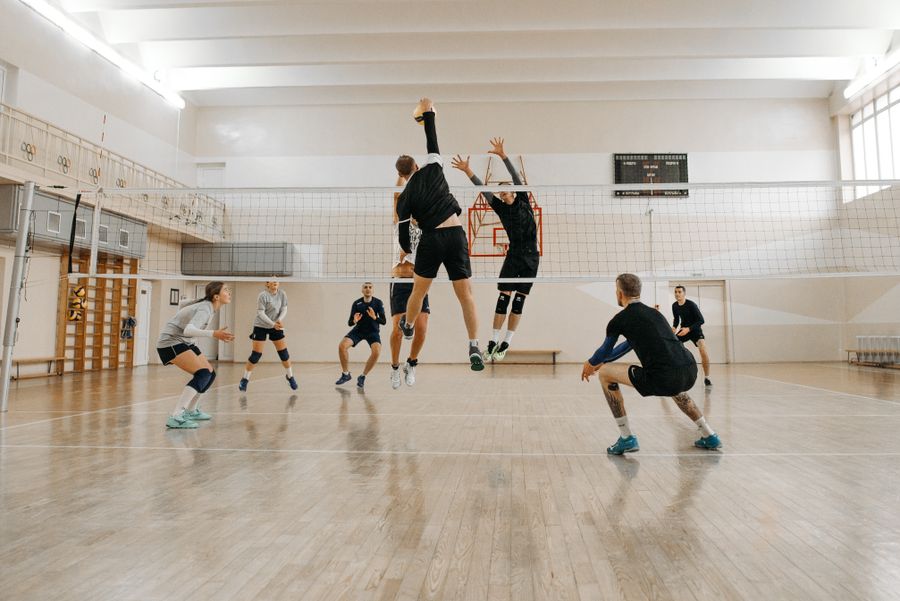
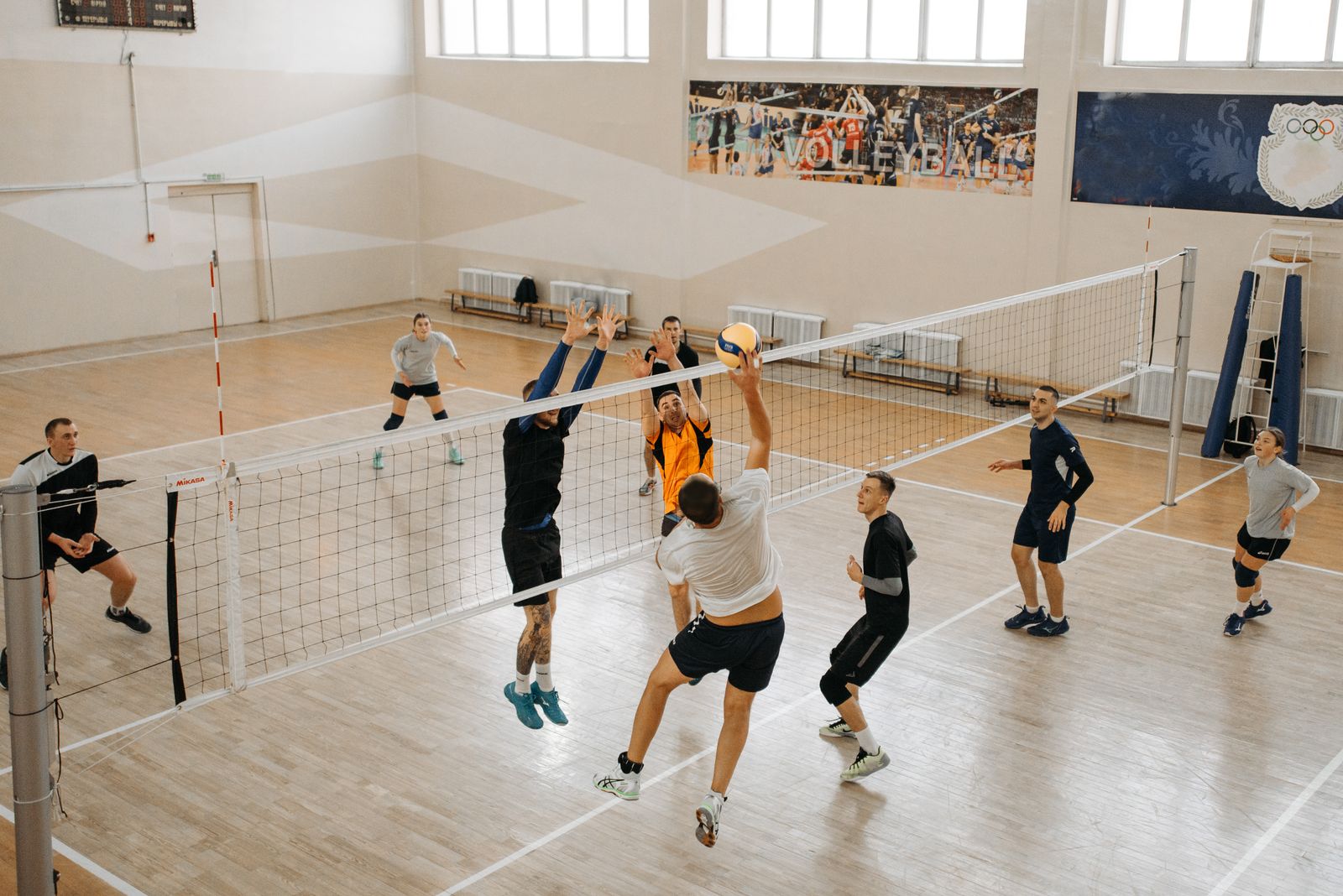
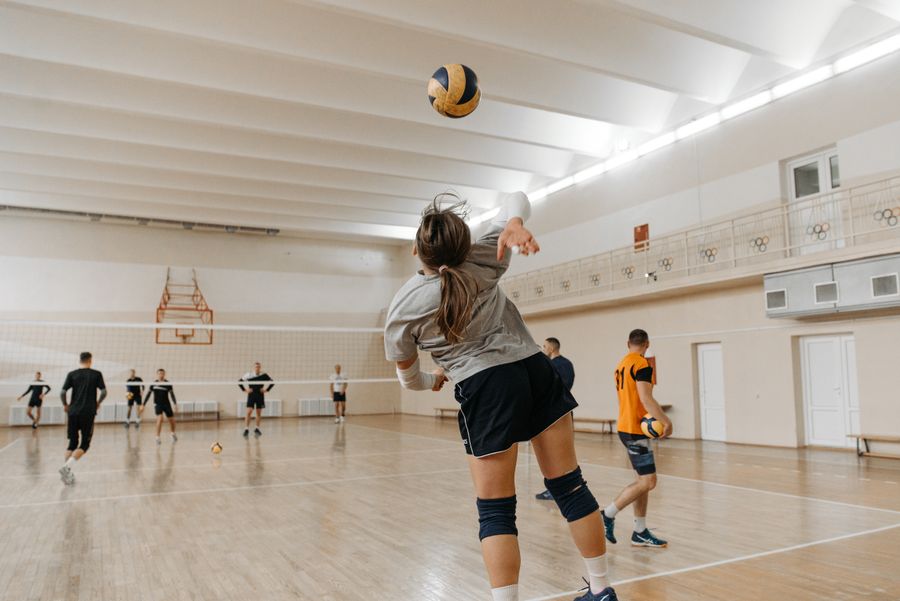
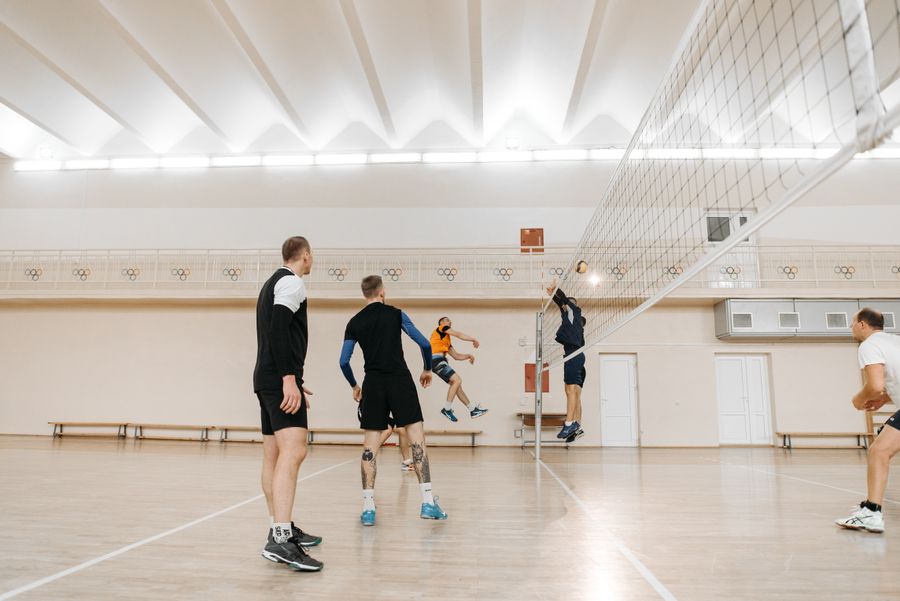
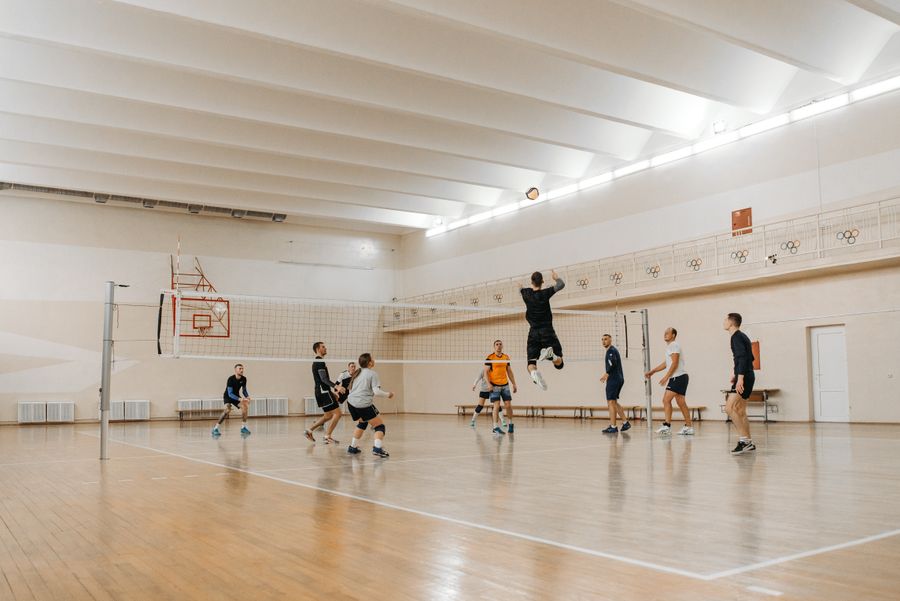
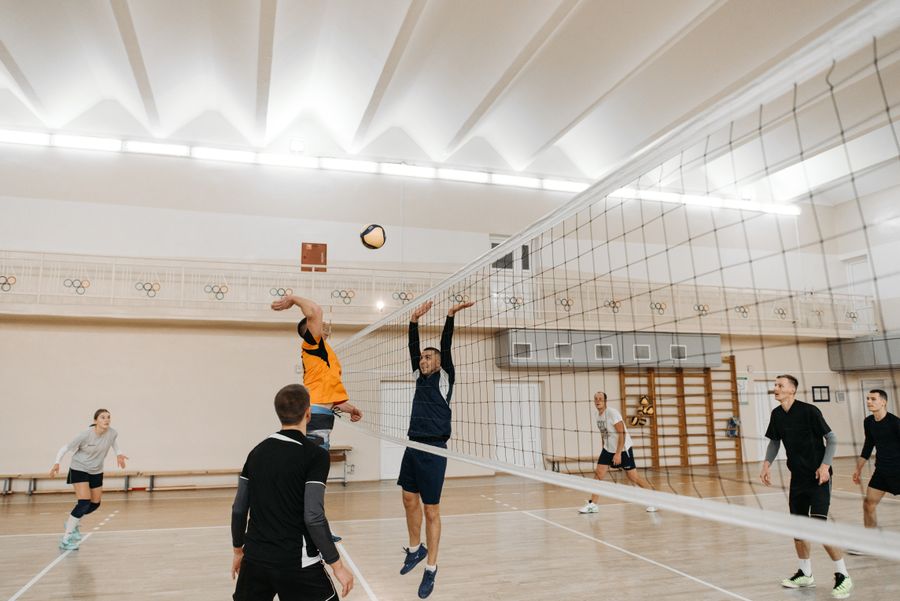
Every outside hitter has heard a coach yell to attack the ball with more speed on the approach, but few understand what actually happens in the final two steps before takeoff. Those two steps, commonly called the penultimate step and the brake step, are where the entire approach either pays off or falls apart. Understanding the mechanics behind them is the difference between a hitter who floats to the ball and one who explodes off the floor.
What the Penultimate Step Actually Does
The penultimate step is the second to last step of the approach, taken right before the final plant. In a typical three or four step approach for a right handed outside hitter, this is the longer, lower step that lowers the athlete's center of mass. Its job is not to generate forward speed. Its job is to prepare the body to convert horizontal momentum into vertical force during the very next step.
Research on jump approach mechanics in volleyball has shown that athletes who lengthen and lower their penultimate step create a greater vertical displacement of their center of mass just before the brake step, which increases the eccentric loading available at takeoff. This is consistent with findings from studies on the approach jump in volleyball and basketball, where a longer penultimate stride correlates with higher jump height compared to a short, choppy step pattern.
The Brake Step and the Stretch Shortening Cycle
Immediately after the penultimate step comes the brake step, sometimes called the plant step or takeoff step. This is where the lead foot strikes the floor hard and flat, followed quickly by the second foot, creating the classic heel to toe double foot plant seen in elite outside hitters. The purpose of the brake step is to rapidly decelerate horizontal momentum and redirect that energy into the ground.
This rapid deceleration triggers what biomechanists call the stretch shortening cycle. The quadriceps, glutes, and calf muscles are forcefully stretched under load in a fraction of a second, storing elastic energy in the muscle tendon units. That stored energy is then released almost instantly as the athlete drives upward, producing far more force than a standing jump from a static position could ever generate. This is the same mechanism sprinters and jumpers rely on, and volleyball specific research on countermovement jumps with an approach has consistently shown greater jump heights than static vertical jumps due to this stretch shortening effect.
Why Force and Power Matter More Than Speed Alone
Coaches often tell hitters to run faster into their approach, but speed without control is wasted energy. What actually matters is peak ground reaction force during the brake step and the rate at which that force is applied, known as rate of force development. Studies using force plates on jumping athletes have found that athletes with higher rates of force development convert horizontal running speed into vertical takeoff velocity far more efficiently than athletes who simply run fast but brake poorly.
This is why two hitters with similar approach speeds can have very different jump heights. The hitter who plants with a stiffer, more reactive brake step and a properly timed arm swing will out jump a hitter who has more raw speed but a mushy, slow ground contact. Ground contact time during the brake step in elite jumpers is often under 200 milliseconds, and shorter, more forceful contacts are strongly associated with better jump performance in volleyball specific biomechanics literature.
The Role of the Hips and Knees in the Brake Step
As the lead foot lands during the brake step, the hip and knee flex to absorb force, then rapidly extend to drive the body upward. This triple extension pattern, involving the hip, knee, and ankle, is one of the most studied movements in jump biomechanics because it represents the final kinetic chain link before takeoff. Volleyball research on approach jumps has shown that athletes who achieve deeper knee flexion during the brake step, without collapsing or losing hip stability, produce significantly more vertical impulse than those with shallow, stiff legged plants.
This is also where knee valgus, or the inward collapse of the knee, becomes a concern. Studies on jump landing mechanics in volleyball athletes have linked poor knee alignment during high force plant steps to increased risk of ACL injury, particularly in female athletes. Training the brake step correctly is not just about jumping higher. It is about protecting the knees under repeated high force loading across a long practice and competition schedule.
▶Common Technical Breakdowns
- ◆Taking a short, flat penultimate step that fails to lower the center of mass enough
- ◆Landing the brake step with the foot too far in front of the body, creating a braking force that points backward instead of upward
- ◆Allowing the knee to cave inward during the plant, reducing force output and raising injury risk
- ◆Rushing the arm swing so it disconnects from the leg drive timing
- ◆Failing to fully extend the hips before the ball contact, leaving power on the table
The approach is not about how fast you run. It is about how well you convert that run into force at the exact right moment.
Training Implications for Outside Hitters
Because the penultimate and brake step rely so heavily on the stretch shortening cycle, training programs for outside hitters should include plyometric work that mimics this same rapid load and release pattern. Depth jumps, bounding drills, and reactive box jumps all train the nervous system to produce force quickly rather than slowly, which transfers directly to a faster, more explosive brake step.
Strength training also plays a major role, but it needs to be paired with speed of movement. Heavy squats and deadlifts build the raw strength needed to handle the eccentric load of the brake step, but without fast, reactive training like jump squats or hurdle hops, that strength will not translate into a quicker, more powerful plant. This combination of maximal strength and rate of force development is often referred to as reactive strength, and it is one of the most predictive qualities of approach jump height in volleyball specific research.
Putting It Together on the Court
For an outside hitter, mastering the penultimate step and brake step is not a one time fix. It requires repetition under game like conditions, including fatigue, since approach mechanics tend to break down late in sets when the legs are tired. Coaches should watch not just how high a hitter jumps in practice, but whether that same mechanical efficiency holds up in the fourth set of a five set match.
Video analysis and motion tracking tools have made it easier for coaches and athletes to break down these two steps frame by frame, measuring things like step length, ground contact time, and knee flexion angle that used to require a biomechanics lab. Using this kind of feedback consistently allows hitters to make small technical adjustments that compound into real gains in jump height and attacking power over a season.
[1] Sheppard, J.M. and Newton, R.U. Applied Biomechanics of the Volleyball Jump. Journal of Strength and Conditioning Research.
[2] Lees, A., Vanrenterghem, J., and De Clercq, D. The maximal and submaximal vertical jump: implications for strength and conditioning. Journal of Sports Sciences.
[3] Ferris, D.P., et al. Approach run velocity and its relationship to vertical jump performance in volleyball players. International Journal of Sports Science and Coaching.
[4] Bencke, J., et al. Knee biomechanics during landing in elite female volleyball athletes and implications for ACL injury risk. Scandinavian Journal of Medicine and Science in Sports.