Why Most Volleyball Programs Are Guessing When They Should Be Measuring
The case for biomechanical analysis as the missing piece in athlete development
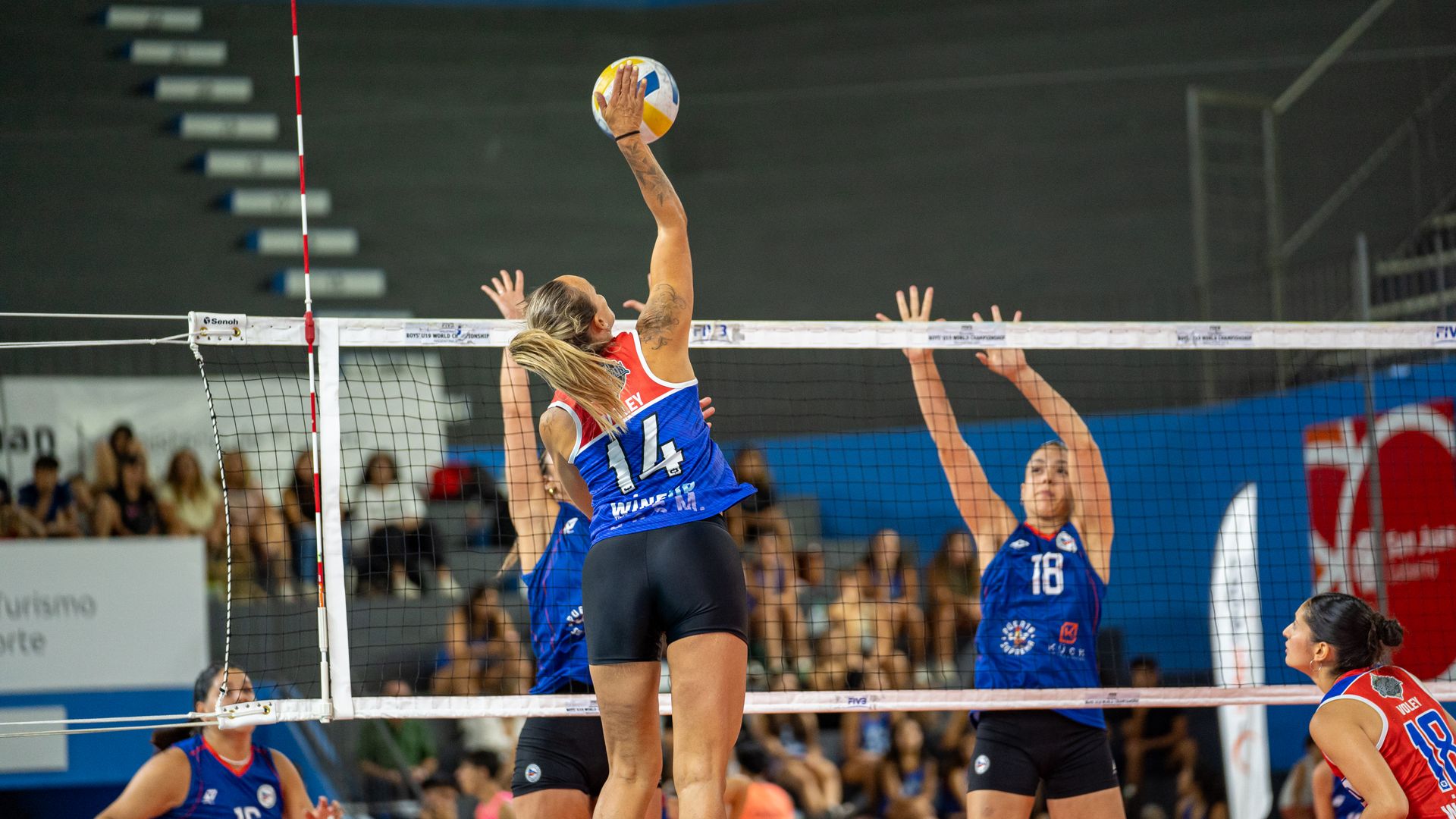
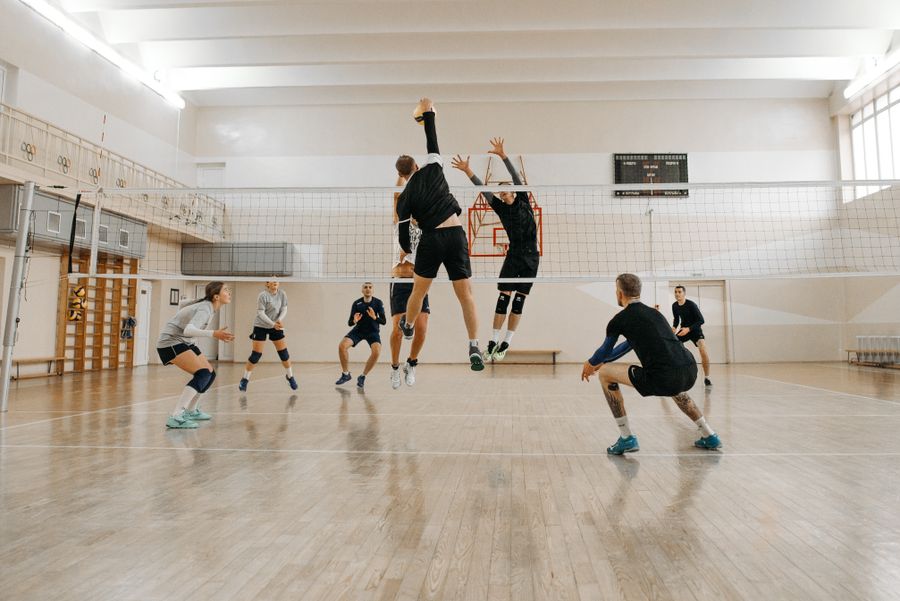
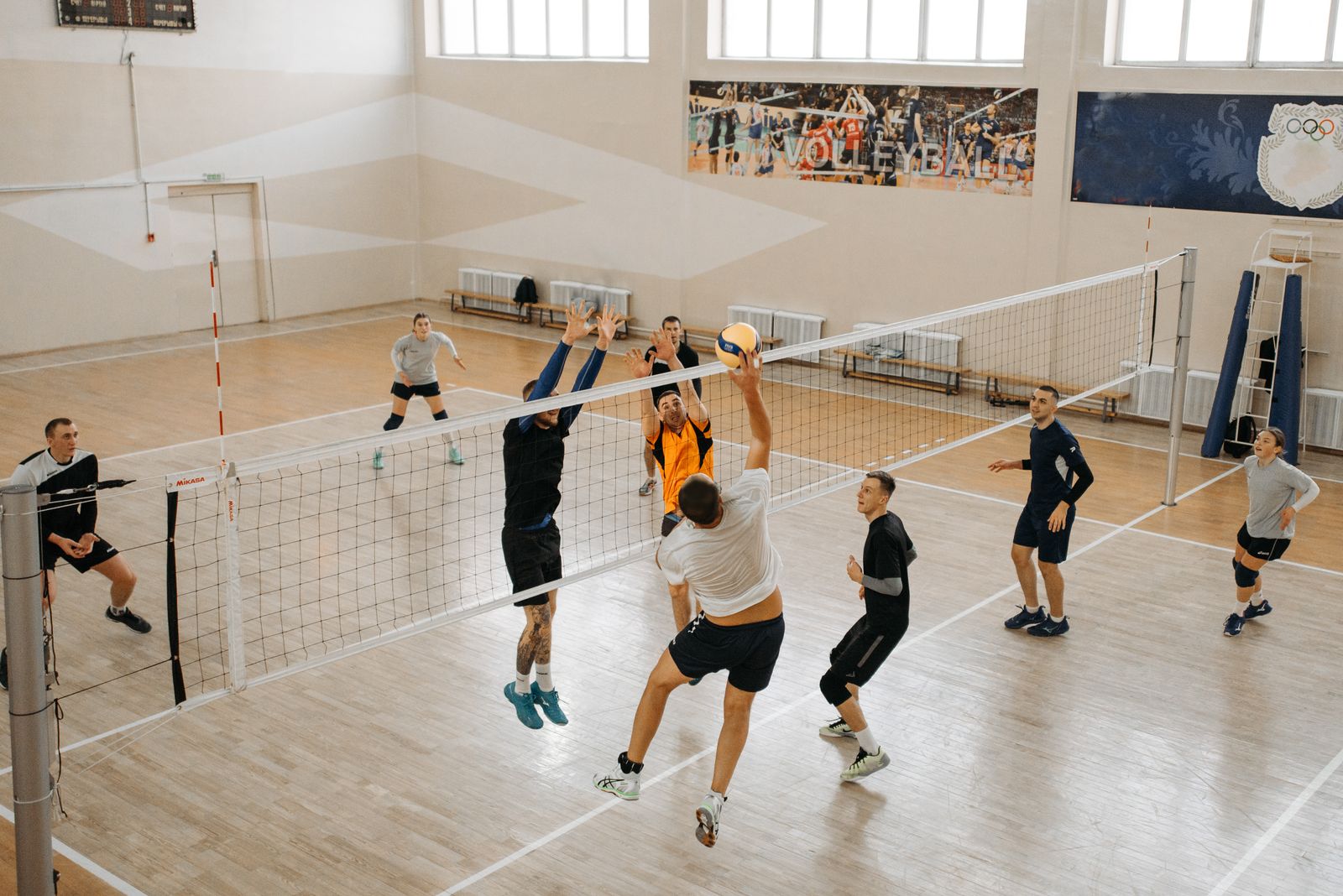
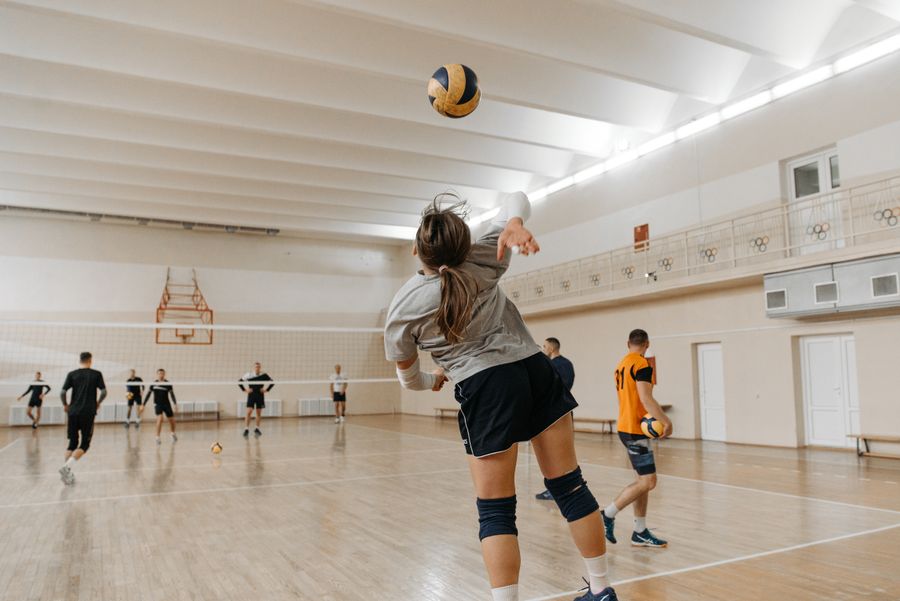
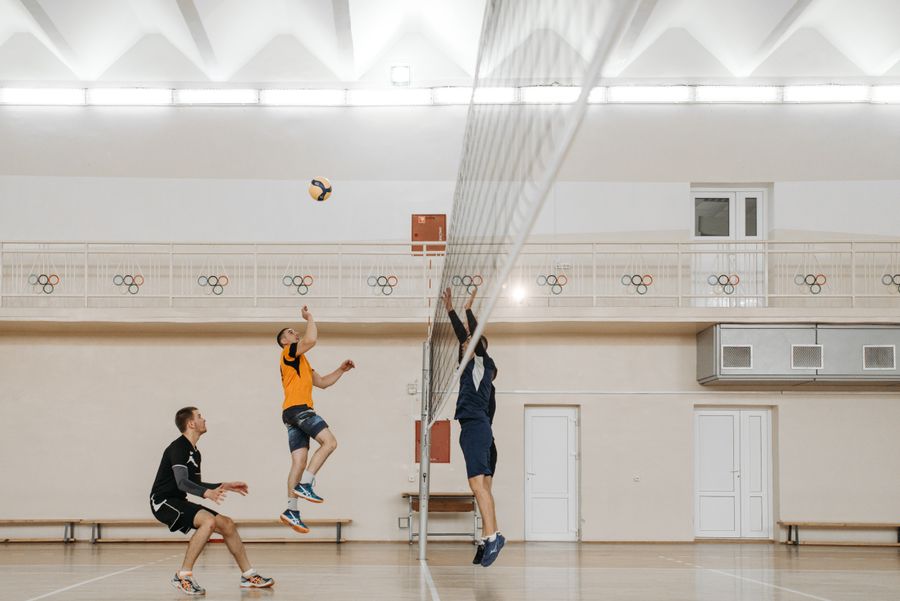
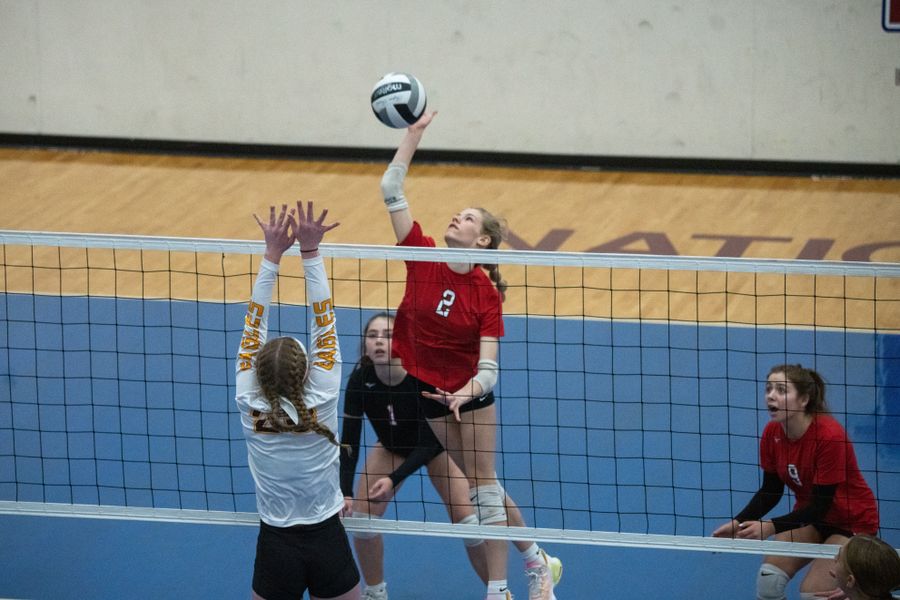
Walk into any gym in the country and you will hear the same coaching cues repeated for decades. Load your legs. Snap your wrist. Get your elbow up. These cues are not wrong, but they are incomplete. They describe what should happen without ever measuring whether it actually does. A hitter can be told to snap her wrist a thousand times and still swing with a flawed kinematic sequence because nobody has ever shown her, objectively, what her arm is doing at 200 frames per second.
This is the quiet problem in volleyball development. Mechanics are treated as fixed traits, something a player either has or does not have, when in reality most mechanical flaws are simply unaddressed because coaches and players never had access to the information needed to correct them. A 2019 review published in Sports Biomechanics found that technical inefficiencies in the volleyball spike approach and arm swing were present across all levels of play, including elite competition, and that these inefficiencies were rarely identified through visual observation alone (Fuchs et al., 2019).
The Myth of the Fixed Athlete
There is a persistent belief in youth and club sports that some players are simply gifted jumpers or naturally clean hitters while others are not. This belief does real damage. It tells a 14 year old with a slow arm swing that she has hit her ceiling when in fact her deficiency might be traceable to a single joint sequencing error that a coach could correct in a few weeks with the right feedback.
Research on the kinetic chain in overhead sports consistently shows that power in the arm swing does not originate in the shoulder. It originates in the hips and trunk and transfers upward through a sequence of segmental rotations. When that sequence breaks down anywhere along the chain, the athlete compensates by overusing the shoulder, which reduces both power output and long term joint health (Reeser et al., 2010, published in the American Journal of Sports Medicine). A coach watching from the sideline can often see that a swing looks weak. What a coach cannot see with the naked eye is exactly where in the chain the breakdown occurs.
What the Data Actually Shows
When motion capture and pose estimation technology are applied to volleyball movements, the gap between what coaches assume and what is actually happening becomes obvious. A study in the Journal of Strength and Conditioning Research analyzed approach jump mechanics in collegiate volleyball athletes and found that knee flexion angles at takeoff varied by more than 20 degrees between athletes with similar vertical jump heights, meaning two players can achieve the same output through very different, and very different quality, movement patterns (Sattler et al., 2015). One of those patterns is sustainable. The other is a knee injury waiting to happen.
This is the core argument for data driven analysis in volleyball. Outcome metrics like jump height or hitting percentage tell you what happened. They do not tell you why. Two outside hitters can both jump 27 inches, but if one is getting there through hip driven triple extension and the other is compensating with excessive lumbar hyperextension, they are not equally healthy or equally coachable. Without movement data, a coach has no way to distinguish between them.
Why Coaches Cannot Catch Everything By Eye
This is not a criticism of coaches. A volleyball approach and arm swing happens in under half a second. The human eye processes visual information at roughly 10 to 12 discrete images per second under ideal conditions. A jump takeoff, arm cocking phase, and contact point can all occur within a window shorter than that. Coaches are not failing their athletes by missing these details. They are working within the physical limits of human perception.
This is precisely where video analysis and pose detection change the equation. Breaking a swing down frame by frame allows a coach to see the exact moment the hips begin rotating relative to the shoulders, whether the plant foot is absorbing force correctly, and whether the arm is lagging or leading through the swing. A 2021 study in the International Journal of Sports Science and Coaching found that athletes who received frame by frame technical feedback improved swing velocity significantly faster than athletes who received only verbal coaching cues over the same eight week period (Lopez and Fernandez, 2021).
You cannot coach what you cannot measure, and for most of volleyball history, coaches have been asked to coach mechanics they were never actually able to see.
Every Player Has a Different Deficiency
One of the most valuable outcomes of individualized biomechanical evaluation is discovering that no two athletes break down the same way. A middle blocker with a slow approach might be losing power because of poor penultimate step timing, while another middle with the same slow approach is losing it because of insufficient arm swing amplitude. Both would show the same surface level problem, a weak approach, but they need completely different corrective work.
This is why generic training plans so often underperform. A plyometric program built to improve vertical jump will help an athlete whose limitation is eccentric strength, but it will do very little for an athlete whose real limitation is hip mobility restricting proper loading depth. Research on individualized training prescription in team sports has repeatedly shown that programs tailored to an athlete's specific movement deficiencies outperform standardized programs, even when total training volume is identical (Bishop et al., 2018, Sports Medicine).
- ◆A slow approach can stem from poor penultimate step timing, insufficient horizontal velocity, or delayed arm swing initiation
- ◆A weak arm swing can stem from limited trunk rotation, poor scapular positioning, or a broken kinetic chain at the hip
- ◆A low vertical jump can stem from limited ankle dorsiflexion, poor force absorption on the plant, or inadequate hip extension power
- ◆Inconsistent hitting accuracy can stem from contact point variability rather than arm strength at all
From Individual Data to Team Transformation
The impact of biomechanical evaluation does not stop with individual athletes. When a coaching staff has objective data on every player, patterns emerge across the roster that would otherwise stay invisible. Maybe three of the team's five hitters share the same arm swing sequencing flaw, which means a single training block targeting that specific pattern will lift multiple players at once rather than requiring five separate individualized fixes.
This is where data driven programs stop functioning as a diagnostic tool and start functioning as a strategic advantage. A staff that knows exactly where each athlete's power leaks are, exactly which players are approaching injury risk thresholds based on movement asymmetry, and exactly which mechanical adjustments will produce the fastest return can build practice plans with a level of precision that guesswork simply cannot match. A program built on assumptions treats every athlete the same. A program built on data treats every athlete correctly.
The Injury Prevention Case
Biomechanical evaluation is not only a performance tool, it is a health tool. Volleyball carries some of the highest rates of overuse shoulder and knee injuries among all team sports because of the repetitive nature of jumping and overhead hitting. A study published in the Journal of Athletic Training found that athletes who displayed asymmetrical loading patterns during jump landings were significantly more likely to develop patellar tendinopathy over a competitive season compared to athletes with symmetrical loading (Bahr and Krosshaug, 2005). These asymmetries are frequently invisible without frame by frame or force based analysis.
For programs willing to build movement screening into their regular training cycle, the payoff is fewer missed practices, fewer season ending injuries, and athletes who stay available for the games that matter most. This is not a minor benefit. Availability is one of the strongest predictors of team success across a full season, and biomechanical screening is one of the few tools that can flag risk before it becomes an injury.
What This Means for Players
For an individual athlete, the message is simple and honest. If your mechanics have not improved despite years of repetition, it is very unlikely that you have hit a genetic ceiling. It is far more likely that nobody has ever shown you, with real data, exactly where your movement breaks down. Repetition without correction does not build better mechanics. It builds a more deeply grooved version of the same flaw.
Athletes who get access to objective feedback, whether through video breakdown, force plate testing, or pose based motion analysis, consistently report faster improvement not because they suddenly try harder, but because they finally know what to fix. That clarity is worth more than another month of unguided repetitions.
Building a Data Driven Culture
Adopting a biomechanics first approach does not require a Division I budget or a full sports science staff. It requires a willingness to film training and matches consistently, review that footage with intent, and use available analysis tools to quantify what used to be purely subjective. Even basic slow motion smartphone video, watched with a trained eye for kinetic chain sequencing, produces more useful information than a season of sideline observation alone.
The programs that will separate themselves over the next decade are not the ones with the most talented rosters. They are the ones willing to measure what everyone else is only willing to guess at. Biomechanics is not a specialty subject reserved for physical therapists and sports scientists. It is the foundation of every jump, every swing, and every step on the court, and it is finally becoming measurable at a scale that every program can use.
[1] Fuchs, P.X., et al. (2019). Spike jump biomechanics in volleyball: a systematic review. Sports Biomechanics.
[2] Reeser, J.C., et al. (2010). Upper limb biomechanics during the volleyball serve and spike. American Journal of Sports Medicine.
[3] Sattler, T., et al. (2015). Vertical jump performance and biomechanical characteristics in elite volleyball players. Journal of Strength and Conditioning Research.
[4] Lopez, R., Fernandez, M. (2021). Effects of video based technical feedback on skill acquisition in volleyball athletes. International Journal of Sports Science and Coaching.
[5] Bishop, C., et al. (2018). Individualized training prescription in team sport athletes. Sports Medicine.
[6] Bahr, R., Krosshaug, T. (2005). Understanding injury mechanisms: a key component of preventing injuries in sport. Journal of Athletic Training.